 Proudly Aussie Family-Owned • Fast Dispatch on All Orders • Easy, Hassle-Free Returns





The Best Clothes Airer: Wall-Mounted or Freestanding?
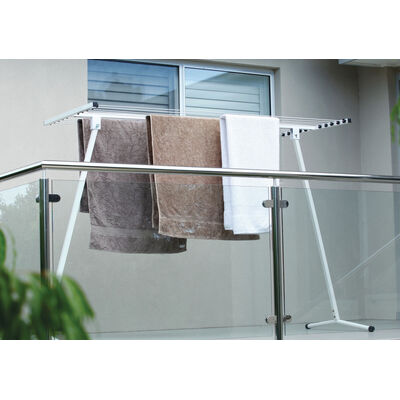
Selecting a clothes airer may seem simple but with many options you may pick one that doesn’t fit your home. Wall-mounted or freestanding are the two main options for the majority of homes. Both are useful, cost-effective and perform well.
This guide explains each type's advantages and disadvantages as well as how to choose the best clothes airer for your room.
What Is a Wall Mounted Clothes Airer?
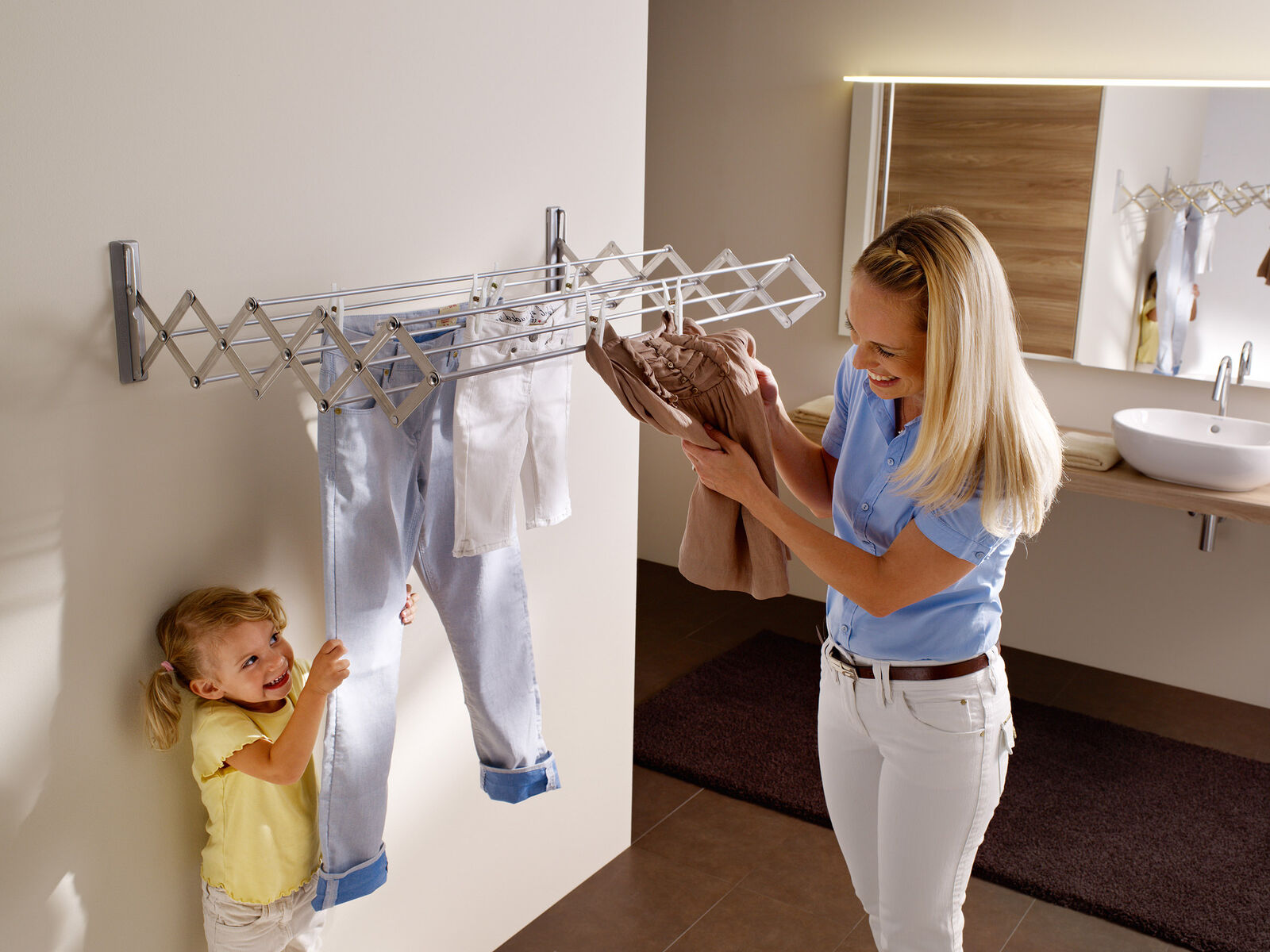
When not in use, a wall mounted clothes airer folds flat and is permanently fixed to the wall. It takes up no floor space at all when not in use and unfolds to create a full drying rack when needed.
For Australian homes with a dedicated laundry room, a clothes airers wall mounted saves space.
It also works well in bathrooms with spare wall space.
It’s a good option for tight, European-style cupboard laundries too. It works best above a bathtub next to a washing machine or behind a door. Use it where a permanent fixture makes sense.
The key advantage is that the floor below stays completely clear. In a small laundry room, this makes a real difference each day.
What Is a Freestanding Clothes Airer?
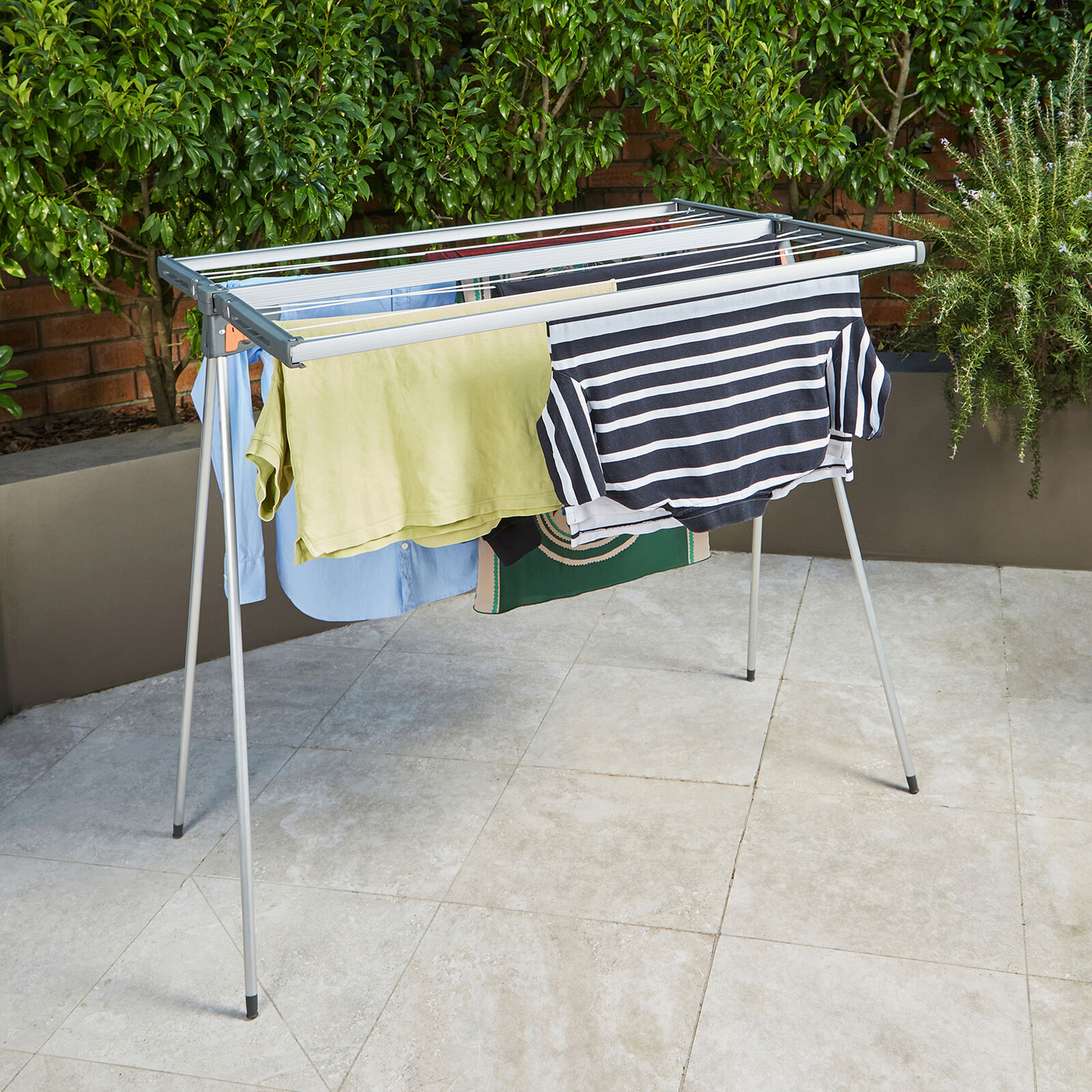
A freestanding clothes airer is also called a clothes horse or drying rack. It stands on the floor and folds flat for storage when not in use.
It needs no installation and is easy to move from room to room. You can take it outside on sunny days. You can store it in a cupboard or against a wall between uses.
For the majority of households, this is the practical default because it is the more adaptable choice. When the weather allows, place a freestanding drying rack on a balcony.
In spring, set it under a pergola.
In winter, use it as an indoor clothes airer next to a window where warmth and airflow help clothes dry faster. Since nothing needs to be affixed to the walls, it's the obvious choice, especially for renters.
From small aluminum A-frame models to large-capacity tower and concertina models made of stainless steel, aluminum, bamboo, and powder-coated steel, Luca Living carries a large variety of clothing airers throughout Australia.
Wall-Mounted vs Freestanding: Key Differences at a Glance
When used, wall-mounted units need no floor space, while freestanding units need floor space based on their size.
Portability: Freestanding is superior because it can travel anywhere. Wall-mounted is permanently fixed.
Installation: Wall mounting calls for wall fasteners and drilling. Freestanding just needs to be unpacked and put to use.
Freestanding is renter-friendly
Drying capacity: Larger freestanding models usually offer more line length than most wall-mounted options. Both can still provide ample drying space.
Best for Australian conditions: Freestanding airers can be moved outdoors to use Australia’s sun and airflow. This is a big advantage because most Australian climates dry clothes well.
Which One Is Right for You?
For families doing multiple loads per week, a larger freestanding drying rack with substantial line space - or even a combination of both types - will generally handle the volume better than a single wall-mounted option. For singles or couples in compact homes, a smaller freestanding airer or a wall-mounted rack in the bathroom is often all that's needed.
Frequently Asked Questions
What is the difference between a wall-mounted and freestanding clothes airer?
When not in use, a wall mounted clothes airer folds flat to completely clear the floor. It is permanently fixed to a wall. A freestanding clothes airer can be moved or stored away in between uses, stands independently on the floor, and doesn't need to be installed.
Which clothes airer works best in cramped areas?
Both can operate in cramped areas, but they do so in different ways. If there is wall space available, a wall-mounted airer is perfect because it keeps the floor clear all the time. When not in use, a freestanding airer with a small footprint, like an A-frame or tower, can be folded and stored, making it ideal for tight spaces.
Is a wall mounted clothes airer suitable for renters?
Generally speaking, no. Wall-mounted airers necessitate drilling into walls, which is prohibited by most rental agreements without the landlord's consent. The best option for renters is a freestanding clothes airer.
What material is best for a clothes airer in Australia?
In Australian conditions, stainless steel and powder-coated aluminum work best because they can withstand rust, UV rays, and coastal salt air. In drier climates, bamboo makes a good indoor material.
How much drying space do I need in a clothes airer?
8 to 14 meters of line space is usually sufficient for a single person or a couple. 20 meters or more will be beneficial for a family of four or more, especially for larger items like school uniforms, sheets, and towels.


