 Proudly Aussie Family-Owned • Fast Dispatch on All Orders • Easy, Hassle-Free Returns


Coffee Percolator Guide: How to Choose and Use One
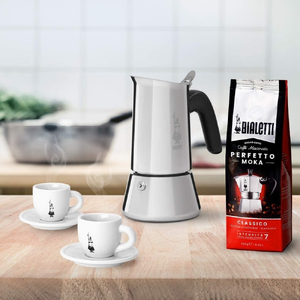
A good coffee percolator is one of the simplest ways to make bold, full-bodied coffee at home. There are no pods, no power cords and no bulky machine taking over the bench. You add water, add coffee, put it on the stove and a few minutes later you have a rich, concentrated brew.
This guide answers all of your questions, including which size to purchase, whether a percolator works with an induction cooktop, and what else is useful to have with it.
What Is a Coffee Percolator?
The term "coffee percolator" refers to a stovetop coffee percolator, sometimes called a moka pot or stovetop espresso maker, in the majority of kitchens. The finished coffee gathers in the top chamber after the water in the bottom chamber heats up and is forced through a basket of ground coffee by steam pressure.
In actuality, a traditional percolator circulates water through the grounds again and again, which gives a brew closer to drip coffee. Moka-style pots, including the Bialetti and Avanti pots in our range, push the water through once. The outcome is strong and full-bodied.
Aluminium or Stainless Steel? (And Will It Work on Induction?)
This is the question we hear most, and it comes down to your cooktop.
- Aluminium percolators are the classic choice. They work with gas, electric, and ceramic cooktops and are lightweight, affordable and quick to heat. They require hand washing and do not work on induction.
- If you have an induction cooktop, stainless steel percolators are the best option because they are more resilient and require less maintenance. Look for a model marked as induction compatible, such as the Bialetti Venus or the Avanti Inox Stainless Steel Espresso Induction Coffee Percolator – 6 Cup.
Already own an aluminium pot and have just switched to induction? An induction hob converter adapter plate lets you keep using it. Check that the plate suits your cooktop and your pot size, and expect it to take a little longer to heat up.
Which Size Coffee Percolator Should You Buy?
A "cup" in a moka pot means a small espresso-sized serve of about 50 ml, so the sizes look smaller than you might expect. Here is a simple guide:
- 3 cup: One strong cup of coffee for one person. This size is available for the Bialetti Moka Express.
- 4 cup: one large mug or two small coffees. Available in the Bialetti Moka Express, Bialetti Venus and Avanti Inox.
- 6 cup: the all-rounder for couples or anyone making milk-based drinks. Available in the Moka Express (including red), Venus and Avanti Inox.
- 9 cup: for a household of coffee drinkers or when friends visit. The Avanti Inox comes in this size.
How to Use a Coffee Percolator, Step by Step
- Fill the lower chamber with water. Never go above the safety valve; instead stop just below it.
- Fill the filter basket with ground coffee. Fill it level and don’t tamp it down. Packing the coffee tightly reduces buildup and can make the coffee bitter.
- Screw the top firmly. If the water is hot, use a tea towel to hold down the base.
- Put it on medium-low heat. Leave the lid open to see what's going on, and keep the flame or element no wider than the pot's base.
- Listen for the gurgle. When the coffee starts to sputter and the top chamber is nearly full, remove the pot from the heat.
What Grind Should You Use?
The best coffee percolator grind is slightly coarser than espresso but finer than filter, similar to table salt. If you don't have a grinder, pre-ground coffee made for moka pots is the most convenient option. Bialetti Ground Coffee Perfetto Moka Classico Intensità 7 is designed for precisely this type of brewing. Avoid using very fine café-style espresso grinds, as they can clog the filter and cause over-extract.
Why Is My Percolator Coffee Bitter?
Almost always, bitter coffee is a technique problem rather than a pot issue. First, look at these:
- Too much heat. The most common reason is overheating. As soon as the pot begins to sputter, reduce the heat and take it.
- Grind too fine, or coffee packed down. Go a little coarser and keep the coffee loose.
- Leftover residue. Old coffee oils build up inside the pot and the filter. Clean it after every brew.
- A brand new pot. Some makers suggest brewing a few pots and discarding them first to clear any metallic taste.
If the water will not rise at all, the rubber gasket or the safety valve is the usual suspect. Make sure both are clean and in good condition.
How to Clean and Look After Your Percolator
A few minutes of care keeps your coffee tasting fresh and your pot lasting for years.
- Rinse after each use. Unscrew the pot, remove the grounds and rinse each part with warm water.
- Dry it completely. Leaving a damp pot assembled can cause a stale or metallic taste, particularly with aluminium.
- Be gentle with aluminium. Use warm water only, with no abrasive scourers, and keep it out of the dishwasher.
- Stainless steel is simpler. Mild soap is fine. Before using a dishwasher, refer to the manufacturer's instructions.
Coffee Accessories Worth Having
You do not need much, but a few coffee percolator accessories make the daily routine smoother:
- Ground coffee made for moka pots. It removes the guesswork on grind size, so you can start brewing straight away.
- An induction adapter plate. Handy if you own a favourite aluminium pot and cook on induction.
- A stainless steel knock box. It gives you a tidy place to tap out used coffee, keeps grounds out of your sink and drains, and is especially useful if you also use an espresso machine.
- Small espresso cups or glasses. Moka coffee is concentrated and is best served in small cups.
- A tea towel or trivet. Useful for handling the hot pot and for setting it down safely.
Easy Drinks to Make with Percolator Coffee
The strong base makes it versatile:
- Americano: add hot water to taste.
- Latte or flat white: warm and froth your milk separately, then combine roughly one part coffee to two parts milk.
- Iced coffee: brew as normal, let it cool, then pour over ice.
FAQs
Is a coffee percolator the same as a moka pot?
In everyday use, the terms are often used interchangeably. Technically, a traditional percolator recirculates water through the grounds, while a moka pot pushes it through once using steam pressure. Nowadays, the majority of stovetop pots are made using the moka method.
Can I use a coffee percolator on an induction cooktop?
Yes, as long as it is made from induction-compatible stainless steel or you use an induction adapter plate. Standard aluminium pots will not work on induction on their own.
What is the best stove top coffee percolator grind?
A medium-fine grind, slightly coarser than espresso and finer than filter coffee. Do not tamp it.
Can I put my coffee percolator in the dishwasher?
Most should be hand washed. Aluminium pots should never go in the dishwasher as it can dull and damage the metal. Check the manufacturer's instructions for stainless steel models.
Find Your Perfect Percolator
You can find the ideal match in our range whether you're looking for a stainless steel model that works with induction or a traditional aluminium pot for the gas stove. Browse our full collection of coffee percolators and accessories and start brewing better coffee at home.


